Which food is best after dental implants in Mount Forest? Your mouth will require time to recover after dental implant surgery. An appropriate diet can help you recover faster, remain comfortable, and protect the implant. After your aesthetic treatment, it is essential to know what to eat and what to avoid to have a comfortable healing process and long-lasting results.
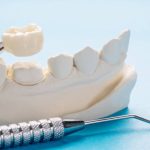
Dental implant surgery places a post in the jaw where a tooth is missing. In the first days after surgery, the area is sensitive and needs gentle care. A dentist in Mount Forest will give you personalized tips for eating and oral hygiene.
Best Foods to Eat After Dental Implant Surgery
Eating the right foods can reduce swelling, promote healing, and minimize the risk of implant complications. Here are some of the best foods to include after your dental implant procedure:
- Soft fruits: Bananas, peaches, and berries are easy to chew and full of vitamins.
- Mashed vegetables: Potatoes, carrots, and squash provide nutrients without irritating the implant site.
- Yogurt and cottage cheese: Soft, full of protein, and easy on your healing gums.
- Smooth soups and broths: Warm (not hot) soups are gentle on your mouth and keep you nourished.
- Scrambled eggs: Soft and easy to chew, eggs help your body repair tissue.
- Oatmeal and porridge: Soft, healthy breakfast full of fibre and nutrients.
- Protein shakes and smoothies: Ideal for those who find chewing painful, ensuring you still get essential nutrients.
When you eat these foods, they help maintain bone formation and tissue repair in your body. A dental clinic near you can create a personalized diet for you based on your recovery nd health condition.
Foods to Avoid After Dental Implant Placement
Some foods can disrupt the healing process, damage the implant, or increase the risk of infection. Here are foods to avoid after dental implant surgery:
- Hard foods: Nuts, raw carrots, and chips can damage the surgical site.
- Sticky foods: Caramel, chewing gum, and taffy may pull on the healing implant.
- Crunchy or tough meats: Steak or jerky can be challenging to chew and strain your jaw.
- Spicy or acidic foods: These can irritate sensitive gums and increase pain.
- Hot drinks: Very hot coffee, tea, or soup can slow down healing.
- Alcohol: Drinking alcohol can make healing slower and increase the chance of infection.
Avoiding these foods during the initial healing period is essential. Your dentist in Mount Forest will likely recommend a soft-food diet for at least the first week after surgery to help prevent complications.
Tips for Eating Safely After Dental Implants
To prevent your dental implants near you from failing and speed your healing, follow these helpful suggestions.
- Use the side of your mouth opposite the implant when chewing.
- Make the food easy to chew
- Do not use straws, as suction disrupts the blood clots that have formed.
- Drink plenty of water to keep your body and mouth hydrated.
- Keep your mouth clean, but don’t brush the implant site for a few days.
By doing these simple things, you’ll reduce pressure on the implant and prevent irritation. Your attention to these matters will help maintain a clean and healthy environment for healing.
Why Nutrition Matters After Dental Implant Surgery
Nutrition can aid tissue repair, reduce inflammation, and promote successful implant integration with the jawbone. Eating foods containing vitamins A, C, and D, as well as protein and calcium, helps strengthen one’s immune system and gums. The risk of complications is lower when one eats nutritious, soft foods and avoids harmful foods.
When to Contact Your Dentist
Even with a careful diet, some patients may experience prolonged discomfort, swelling, or unusual pain. Contact your Mount Forest dentist immediately if you notice:
- Intense pain that medicine can’t seem to ease.
- Excessive swelling or bleeding
- Signs of infection include pus or a high fever.
- Loosening of the implant
Your dental clinic near you can provide professional guidance, adjust your care routine, or recommend treatments to ensure proper healing.
Ready to Protect Your Smile After Surgery?
Schedule a consultation with Mount Forest Dental to get personalized guidance on diet, care, and post-implant recovery. The expert team will help you enjoy a smooth healing process and maintain your beautiful, healthy smile.
Get directions to Mount Forest Dental for expert post-implant care, recovery guidance, and long-lasting dental implant results.
FAQs
What foods are safe to eat after dental implant surgery?
Soft and gentle foods are best during the first few days. Options like mashed potatoes, scrambled eggs, yogurt, smoothies, oatmeal, and soft-cooked vegetables are ideal. These foods won’t irritate the surgical site and will help your mouth heal properly after dental implants in Mount Forest.
How long do I need to avoid hard or crunchy foods after implants?
For 1–2 weeks, refrain from consuming hard or crunchy foods, such as nuts, raw carrots, chips, or tough meats. Depending on your healing process and the complexity of your dental implant procedure, your dentist in Mount Forest may recommend a longer soft-food diet.
Can I drink hot beverages after dental implant placement?
It’s best to avoid very hot drinks, including coffee and tea, for the first couple of days. Hot liquids can increase bleeding or swelling and delay healing, affecting the success of dental implants.
When can I go back to my usual diet after dental implant surgery?
Most patients should be able to resume their regular diet after 1–2 weeks, depending upon comfort and healing. Your dental clinic will provide instructions for you to follow. Always start with soft foods when eating, then move on to harder foods. This will facilitate the implant’s healing.