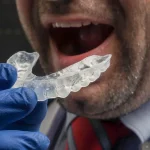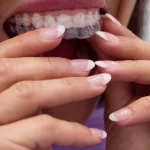
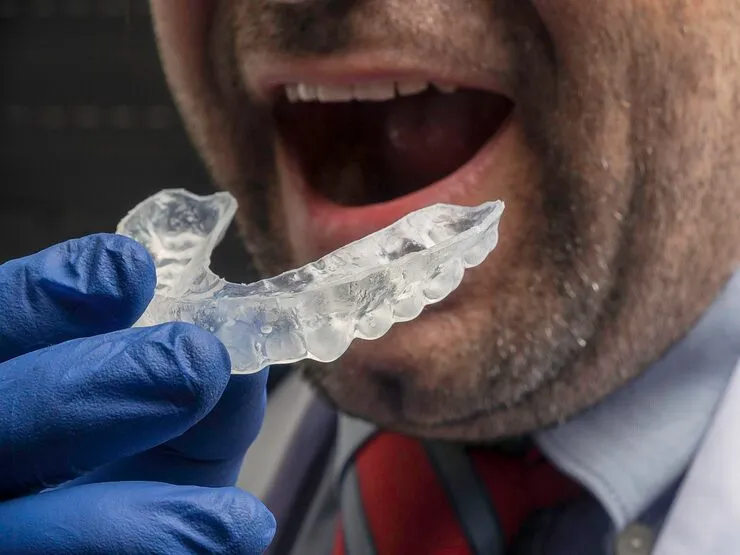
Does your mouthguard feel worn, loose or simply uncomfortable to wear compared to how it previously felt? A mouthguard in Mount Forest can prevent damage to teeth due to grinding, stress or a blow to the face during sports or other activities. The repeated use of this product can cause it to wear out, get damaged, or lose shape over time, which can compromise its fit and protective features. When it’s time for a replacement, it helps you keep your mouthguard comfortable and effective. The appropriate time for replacing a mouthguard is related to its frequency of usage, type of mouthguard, and wear.
How Often Should a Mouthguard Be Replaced?
There is no single replacement schedule that suits everyone. A mouthguard used every night for teeth grinding may wear out sooner than one used occasionally for sports.
A replacement may be needed when:
- The material becomes thin or worn out.
- The mouthguard starts to crack or tear.
- The shape has altered and is no longer a good fit.
- The mouthguard feels loose or uncomfortable.
- Alterations in teeth or bite impact the fit.
- The mouthguard has been significantly chewed or damaged.
Frequent inspections can detect any wear prior to affecting protection.
What Are the Signs It Is Time to Replace Your Mouthguard?
You may notice when it is time to replace your custom dental mouthguard. It should fit comfortably and protect your teeth properly.
Look for signs such as:
- Cracks, holes, or tears
- Deep marks from grinding or clenching
- Rough or thin spots
- Changes in its shape or thickness
- Ongoing discomfort while wearing it
- A fit that feels different than before
If your mouthguard looks damaged or no longer feels comfortable, have it checked by a dental professional.
What Happens When a Mouthguard No Longer Fits Properly?
A good mouthguard should fit well and stay in place without causing pain or discomfort. The fit may change as the mouthguard wears out or as your teeth and jaw change.
Your mouthguard may need to be checked if it:
- Feels loose when you talk or move your mouth
- Falls out easily while sleeping
- Presses or rubs against your gums
- Makes it hard to close your mouth comfortably
- Causes new sore or irritated areas
- Does not cover your teeth properly
Depending on its condition, your mouthguard may need an adjustment or replacement.
Can a Damaged Mouthguard Still Protect Your Teeth?
A damaged mouthguard may not provide the same level of protection as one that is in good condition. Cracks, holes, or worn areas can reduce the amount of cushioning between the teeth.
Continuing to use a damaged mouthguard may also allow an existing problem to worsen. For example, a mouthguard that has become thin from repeated grinding may no longer provide adequate coverage.
When damage is noticeable, replacing the mouthguard is often a better option than relying on a worn appliance.
How Does Teeth Grinding Affect Mouthguard Lifespan?
A Mouthguard in Mount Forest used for nighttime grinding can experience repeated pressure from clenching and chewing movements. This can cause the material to wear faster than a mouthguard used less often.
The lifespan may be affected by:
- How strongly the teeth are clenched.
- How often grinding occurs.
- The material used to make the mouthguard.
- How well the mouthguard is cleaned and stored.
- Whether the mouthguard is frequently chewed.
Regular dental checks at a dental clinic near you can help monitor wear and determine when replacement may be appropriate.
How Often Should a Custom Mouthguard Be Checked?
Regular dental visits provide an opportunity to check the condition and fit of a mouthguard. Changes in the teeth, bite, or jaw may affect how well it fits over time.
A dentist in Mount Forest may check:
- The overall condition of the material.
- Signs of excessive grinding.
- Changes in fit or comfort.
- Damage to the mouthguard.
- Changes in the teeth that may affect its use.
A Mouthguard near you can be replaced when it no longer provides a suitable fit or level of protection.
Keep Your Mouthguard Ready to Protect Your Smile!
A worn or damaged mouthguard may not provide the support and protection it once did. Regular cleaning, careful storage, and routine checks can help identify when replacement is needed. If a mouthguard feels different or shows signs of wear, getting it assessed can help ensure a suitable fit.
For personalised advice about mouthguard care and replacement, book an appointment with Mount Forest Dental and discuss the best option for protecting your teeth.
FAQs
How often should a custom mouthguard be replaced?
There is no set time. Replace it if it is worn, damaged, or no longer fits well.
How do I know if my mouthguard does not fit properly?
A loose fit, pain, gum irritation, or trouble keeping it in place may mean it needs to be checked.
Can a damaged mouthguard still protect my teeth?
A cracked or badly worn mouthguard may not protect your teeth well. It may need to be replaced.
How can I make my mouthguard last longer?
Clean and rinse it as advised, let it dry, and store it in a case. Keep it away from high heat and check for damage regularly.