
Jaw pain can affect more than just your mouth. Pain while chewing, regular headaches, jaw stiffness, or trouble opening your mouth can make everyday activities difficult. Temporomandibular disorders, or TMD, affect the jaw joints and the muscles that help move your jaw. Some symptoms may go away on their own, but ongoing problems can make it harder to eat, speak, sleep, and feel comfortable.
Understanding the problem is an important first step. If you are looking for TMJ Treatment near you, a dental assessment can help identify patterns in your symptoms and determine whether they may be related to the jaw joint, surrounding muscles, or another condition. The goal is not simply to reduce discomfort but to help you use your jaw more comfortably in everyday life.
Signs That Your Jaw May Need Attention
TMD can look different from one person to another. Common symptoms include jaw or facial pain, stiffness, painful clicking or popping, headaches, ear discomfort, and difficulty chewing. Some patients may also notice that the jaw locks or that opening and closing the mouth has become more difficult.
A clicking or popping sound by itself does not necessarily mean treatment is needed. However, sounds accompanied by pain, limited movement, or locking deserve professional attention. A proper evaluation can also help rule out other possible causes of facial or jaw pain.
How Treatment Can Make Everyday Life Easier
The right treatment can make everyday life more comfortable. When jaw pain improves, chewing and speaking may become easier. Less jaw stiffness can also make it easier to move your jaw normally and get through your daily routine.
TMD can sometimes occur with headaches. However, not every headache is caused by a jaw problem. If your headache is related to TMD, treating the jaw problem may help reduce your symptoms. A dental professional can check your symptoms and find out if they are connected to your jaw.
Improved jaw comfort may also help you sleep, eat, talk, and enjoy activities you may have been avoiding due to pain or discomfort. Proper TMD care can make daily activities easier and improve your overall quality of life.
Treatment Options Depend on Your Symptoms
Treatment for TMD depends on your symptoms and condition. There is no single treatment that works for everyone.
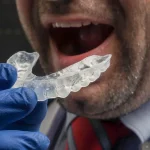
Treatment may start with simple steps, such as eating soft foods for a short time, using heat or cold packs, doing gentle jaw exercises, and avoiding habits like chewing gum or clenching your jaw. Your dentist may also recommend physical therapy, self-care, medicines, or an oral appliance, depending on your needs.
For many people, a non-surgical treatment for jaw pain and TMJ disorders may be tried before surgery. Simple treatments are usually preferred because many TMD problems get better without surgery. More complex procedures are generally considered only when needed and after other treatment options have been tried.
What Can You Expect From TMJ Care?
The timeline for improvement varies. Some TMD symptoms resolve on their own, while others can last longer and require ongoing management. Your symptoms, the type of disorder, and your response to treatment can all affect how quickly you notice a difference.
A dentist can examine your jaw movement, muscles, and symptoms and decide whether additional testing or referral is appropriate. Imaging such as dental X-rays, CT scans, or MRI may sometimes be used when more information about the joint or surrounding structures is needed.
If you are considering TMJ Treatment in Mount Forest, an evaluation can help you understand what may be contributing to your symptoms and what treatment approaches may be appropriate for your situation.
Better Jaw Comfort Starts With Understanding the Cause
Visiting a dentist in Mount Forest for an evaluation can help you understand what may be causing your symptoms and what treatment options are available. TMJ treatment often starts with simple, conservative approaches and may not require surgery. Your dentist can assess your symptoms and recommend care based on your individual needs.
Looking for TMJ care near you? Get directions to Mount Forest Dental and take the next step toward better jaw comfort.
Get the Right Support for Your Jaw Health
If jaw pain, stiffness, or headaches are interfering with your routine, speaking with a dental professional can help you understand your options. Mount Forest Dental provides personalized care to help patients manage TMJ-related concerns. If you are searching for a dental clinic near you, contact us today to arrange an assessment and discuss the next appropriate step.
FAQs
What are the common symptoms of a TMJ disorder?
TMJ symptoms include jaw pain, stiffness, clicking, headaches, ear discomfort, chewing difficulty, and limited jaw movement.
How can TMJ treatment help relieve jaw pain and headaches?
TMJ treatment targets the underlying causes of jaw discomfort, such as muscle tension, joint irritation, or teeth grinding.
What treatment options are available for TMJ disorders??
Treatment may include self-care, exercises, physical therapy, medication, oral appliances, or other options for complex cases.
How long does TMJ treatment take?
Results vary. Some people improve quickly, while chronic or complex cases may need longer-term treatment and monitoring.