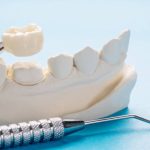
Restoring a missing tooth is essential not only for your self-esteem but also for the structural integrity of your jaw. For many patients, a bridge offers a reliable, time-tested solution to “bridge” the gap between healthy teeth.
While these restorations are designed to be durable, they are not entirely immune to issues over time.
Understanding the potential challenges associated with dental prosthetics allows you to take proactive steps to ensure your restoration remains comfortable and functional for years to come.
Why Is Choosing A Local Professional Important For Restoration?
The success of any dental prosthetic begins with precise fitting and high-quality materials. When you consult an experienced dentist in Mount Forest, you ensure that your oral anatomy is carefully mapped before the procedure begins.
A local professional understands the importance of a perfect fit to prevent the underlying teeth from experiencing unnecessary stress.
By choosing a provider close to home, you also make it much easier to attend regular follow-up appointments, which are critical for monitoring the health of the supporting teeth and the condition of the bridge itself.
What Are The Most Frequent Issues With Dental Prosthetics?
Even with the best clinical care, patients may eventually encounter problems with dental bridges and how to fix them. One of the most common issues is decay forming under the crowns that support the bridge.
Because the prosthetic is fused, it can be difficult to clean the area where the bridge meets the gum line.
If bacteria accumulate, it can lead to cavities in the “anchor” teeth. Fixing this usually involves removing the bridge, treating the underlying decay, and then creating a new restoration to ensure the foundation remains strong.
How Can You Maintain Your Restoration For The Future?
Learning how to care for dental bridges long term is the most effective way to avoid early failure.
Unlike natural teeth, a bridge requires specialized tools for cleaning, such as floss threaders or interdental brushes, to reach the space underneath the artificial tooth (the pontic).
Removing trapped food debris daily prevents gum inflammation and bone loss around the supporting teeth.
Additionally, avoiding extremely hard or sticky foods can prevent the ceramic material from chipping or the dental cement from loosening prematurely.
Why Is The Health Of The Supporting Teeth So Vital?
The longevity of dental bridges in Mount Forest depends entirely on the health of the natural teeth on either side of the gap.
If these “abutment” teeth become weakened by gum disease or excessive biting force, the entire bridge can lose its stability.
Professional cleanings are essential because they allow a hygienist to remove calcified plaque that your toothbrush cannot reach.
Keeping the surrounding gum tissue tight and healthy ensures that the bridge has a stable, infection-free environment to rest upon.
What Should You Do If Your Prosthetic Feels Unstable?
If you notice a change in your bite or if the restoration feels “wobbly,” you should visit a dental clinic near you immediately.
A loose bridge is often a sign that the dental cement has started to wash away or that the underlying tooth has changed shape due to decay.
Ignoring a loose bridge can allow bacteria to seep underneath the crowns, causing rapid damage to the healthy teeth.
In many cases, if caught early, a dentist can clean the area and recement the bridge before any permanent damage occurs.
How Does Modern Technology Improve Bridge Durability?
If you are looking for dental bridges near you, you will find that modern materials like Zirconia and E-Max have revolutionized the durability of these restorations.
These materials are not only incredibly strong but also highly resistant to the wear and tear of daily chewing. Furthermore, digital scanning technology allows for a much more accurate fit than traditional messy molds.
This precision reduces the gaps where bacteria can hide, significantly lowering the risk of future complications and ensuring the bridge feels like a natural part of your smile.
Comparison of Bridge Maintenance Tools
| Tool Type | Benefit for Bridges | Frequency of Use |
| Floss Threaders | Cleans the gap under the pontic | Once Daily |
| Interdental Brushes | Removes debris from crown margins | After Meals |
| Water Flosser | Flushes out bacteria with pressure | Once Daily |
Preserving Your Functional Smile
A dental bridge is a vital investment in your ability to eat and speak with confidence. While problems can arise, most are preventable with the right habits and professional oversight. By staying proactive, you ensure your restoration remains durable and beautiful.
At Mount Forest Dental, we are committed to your long-term oral health through expert restorative care. Our team focuses on precision to keep your smile functioning at its best.
If you have concerns about your bridge, contact us to schedule your consultation.
Get directions to Mount Forest Dental in Mount Forest and protect your smile with expert bridge care.
FAQs
What are the most common problems associated with dental bridges?
Some common dental bridge issues include decay under the supporting crowns, gum disease from poor hygiene and loosening due to cement failure.
How long do dental bridges last with proper care?
With excellent oral hygiene and regular professional checkups, a dental bridge can last anywhere from 10 to 15 years.
Can dental bridge problems be prevented with good oral hygiene?
Yes, several dental bridge problems, like bacteria, can be protected with daily flossing and regular cleanings.
What should I do if my dental bridge feels loose or uncomfortable?
Contact your dentist immediately; early intervention can often save the bridge and protect the supporting natural teeth from decay.