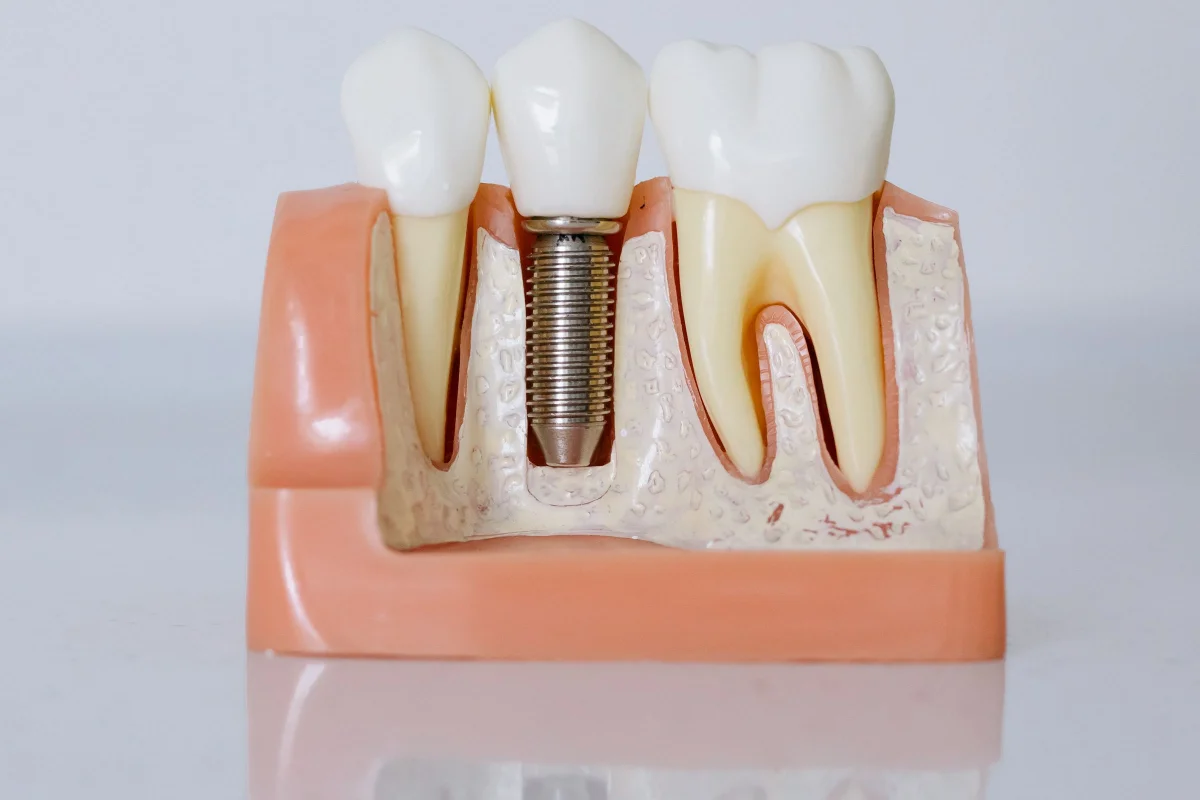
A crown is often recommended after root canal treatment when a tooth has lost enough structure to be at risk of fracture, but it is not required in every case. Dental crowns in Mount Forest may be considered based on the tooth’s position, the amount of healthy structure remaining, existing cracks or fillings, and the forces placed on it during chewing.
Back teeth often need more protection than front teeth because they handle greater biting loads. The final restoration should seal the treated tooth and support its function while avoiding unnecessary removal of sound structure from that tooth in the long term.
Why Might a Root-Canal-Treated Tooth Need a Crown?
Root canal therapy removes the pulp from inside a tooth, but it does not rebuild the outer structure lost to decay, cracks, or previous fillings. A tooth with weakened cusps may be more likely to fracture under chewing forces. A crown can cover and protect the remaining tooth when that level of support is needed.
Back teeth, such as premolars and molars, often experience greater chewing pressure. They may need a crown or another form of cuspal coverage. The final choice depends on the amount of remaining tooth and the shape of the restoration.
When considering dental crowns near you, focus on why a crown is recommended for the specific tooth, how much of the tooth’s structure it will protect, and what maintenance it will require. The material and design should suit the tooth’s location and bite.
When Might a Filling Be Enough?
Some front teeth have less chewing pressure and may retain enough outer structure after root canal treatment. In these cases, a bonded filling may be appropriate. A crown may still be considered if the tooth has a large existing restoration, a crack, or substantial structural loss.
A filling is not automatically the more conservative or appropriate choice. The dentist needs to consider how the tooth will function and whether the remaining walls can withstand normal biting forces. The restoration should be strong enough for the job without removing more sound tooth structure than necessary.
What Is Checked Before Choosing the Restoration?
The dentist assesses:
- Tooth Location: Front and back teeth experience different forces.
- Remaining Structure: The number and strength of the walls affect support.
- Cracks: Their position and depth can change whether the tooth is restorable.
- Existing Restorations: Large fillings may leave less natural structure to support a new restoration.
- Bite Forces: Grinding, clenching, or an uneven bite may affect the design.
A Dentist in Mount Forest can review these findings and explain whether a crown, filling, or another restoration is appropriate. The recommendation should reflect the remaining tooth structure and the forces placed on it during chewing.
When Should the Crown Be Placed?
Timing depends on the tooth, the infection, and the temporary restoration used after root canal therapy. Some teeth need a protective final restoration as soon as the tooth is ready. Others may require additional assessment before a decision is made. Your dentist should explain how long the temporary restoration can remain in place and which foods or habits to avoid in the meantime.
Leaving a weakened tooth without sufficient protection can increase the risk of fracture. A cracked tooth may become too hard or too extensive to restore. However, a fixed timetable should not replace an assessment of the tooth’s actual condition.
Why the Final Restoration Matters
A root canal addresses the problem inside the tooth. The filling or crown restores the part used for chewing and helps seal the access opening. The restoration also needs to fit the bite so that it does not create a high spot or uneven pressure.
A Dental clinic near you can explain the remaining tooth structure, the protective role of each option, and the follow-up needed. The final restoration should be planned before a temporary filling or crown remains in place longer than advised.
Restore the Tooth According to Its Needs
The final restoration should protect the treated tooth while matching the remaining structure and the forces it handles. Planning the next step helps reduce the risk of avoidable damage.
Book a consultation with Mount Forest Dental to review the treated tooth and discuss an appropriate final restoration. The aim is to protect the tooth without removing more structure than necessary.
FAQs
Does a dental crown cover the entire tooth?
A crown covers the visible portion of a tooth above the gumline and surrounds the prepared structure. It does not replace the root or cover the tooth below the gums. The amount of tooth reshaping depends on the material and restoration design.
What should I do if a temporary crown comes loose?
Contact the dental practice promptly for instructions and avoid chewing on that side. Keep the temporary crown safe if it comes off, and do not use household glue. The dentist can advise whether it should be reseated or replaced before the final crown is placed.
Can a dental crown be replaced years after root canal treatment?
Yes. A crown may eventually need replacement because of wear, fracture, changes at the margin, or new decay. The dentist checks both the crown and the underlying tooth before recommending replacement. A new crown is not needed simply because a certain number of years has passed.
How is a crown shade selected?
The shade is chosen by considering neighbouring teeth, lighting, tooth colour, and the material being used. For a visible tooth, careful shade selection can help the crown blend with the smile. The dentist may assess the shade before the final restoration is made.